
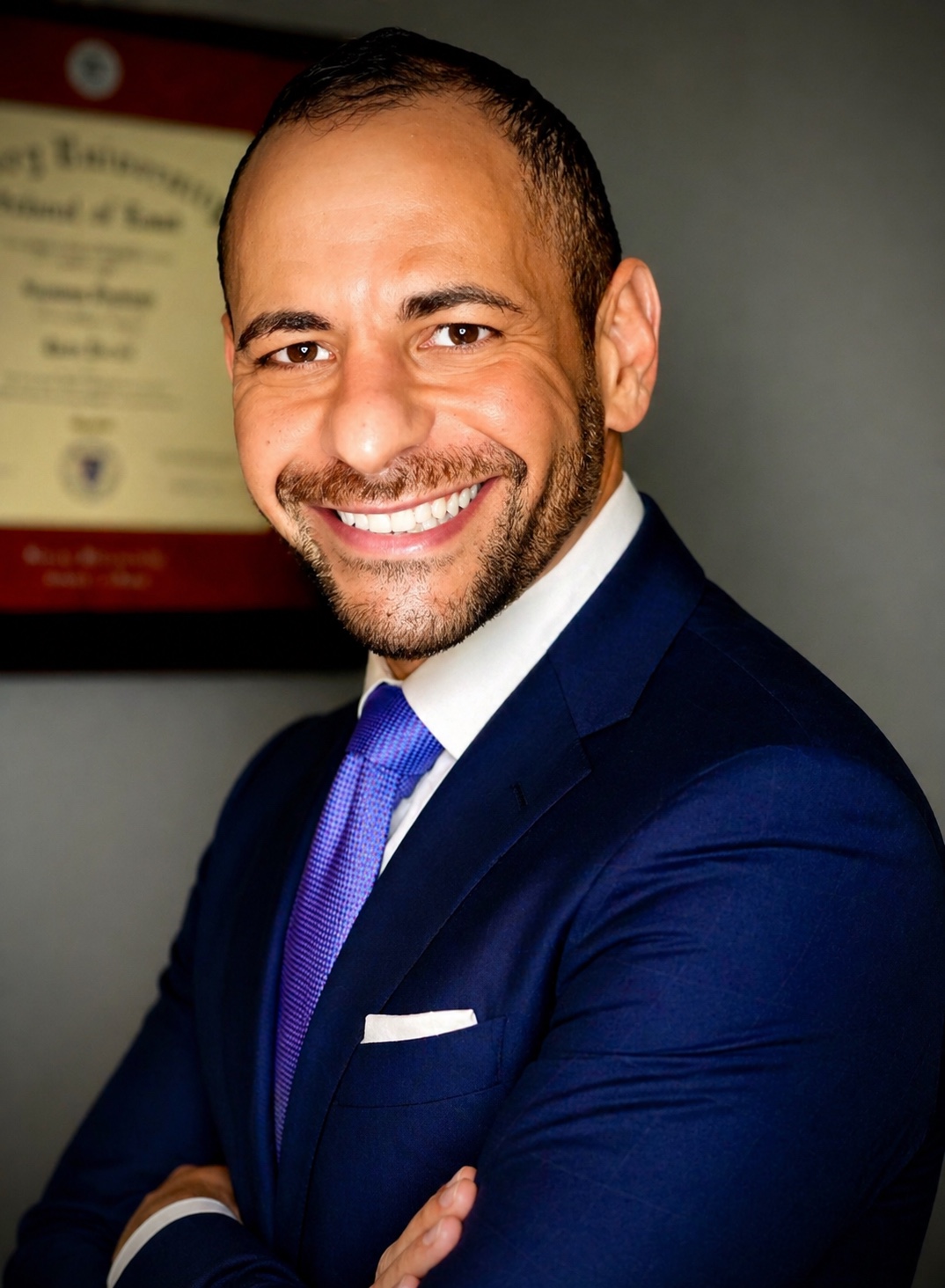
 By Abraham Elmazahi, Esq.
A former prosecutor perspective is useful when evaluating police questioning because statements can become the centerpiece of the State’s case. The firm reviews whether a statement should be given at all, whether Miranda issues exist, and how words may be interpreted later in reports, filing decisions, negotiations, or trial. Related guidance: Should I Talk to Police? and Detective Wants My Side of the Story .
Custody and interrogation
Miranda issues often depend on whether the person was in custody and whether law enforcement engaged in interrogation or its functional equivalent. The setting, tone, restraint, and pressure all matter.
Statements must be examined
The defense should review the exact words used, the timing of warnings, any waiver, and whether the person invoked rights. Audio and video are important.
- Was the person free to leave?
- Were Miranda warnings given?
- Was there a clear waiver?
- Did the person ask for a lawyer or say they did not want to talk?
Strategic impact
A statement issue can affect the admissibility of admissions, explanations, alleged confessions, and later investigative steps.